Bulky Uterus: Meaning, Symptoms, Causes, and Treatment Options
This article is for general informational purposes only and is not a substitute for professional medical advice, diagnosis, or treatment. Always consult a qualified gynecologist about your specific symptoms and test results.
A bulky uterus means the uterus is larger than expected. It is a finding, not a disease on its own.
Several conditions can make the uterus appear enlarged. Fibroids and adenomyosis are common examples, while pregnancy and hormonal changes can also affect uterine size.
Some women have no symptoms at all. Others may notice heavy periods, pelvic pressure, painful cramps, frequent urination, or difficulty becoming pregnant.
The important thing is not just the size of the uterus. Doctors need to find out why it has become enlarged, because bulky uterus treatment depends on the underlying cause.
What Is a Bulky Uterus?
The uterus is a muscular organ in the pelvis. It plays an important role in menstruation and pregnancy.
When an ultrasound or examination shows that the uterus is larger than expected, a doctor may describe it as a bulky uterus or enlarged uterus. The term does not identify the exact problem causing the enlargement.
For example, fibroids can enlarge the uterus because of growths in or around the uterine muscle. Adenomyosis can make the uterine wall thicker because tissue similar to the uterine lining grows into the muscle wall.
This is why seeing "bulky uterus" on an ultrasound report does not automatically mean that something serious is wrong. The next step is usually to look at the symptoms, medical history, examination findings, and imaging results.
What Causes a Bulky Uterus?
There isn't one single reason for an enlarged uterus. The causes of bulky uterus can be different for each woman.
1. Uterine Fibroids
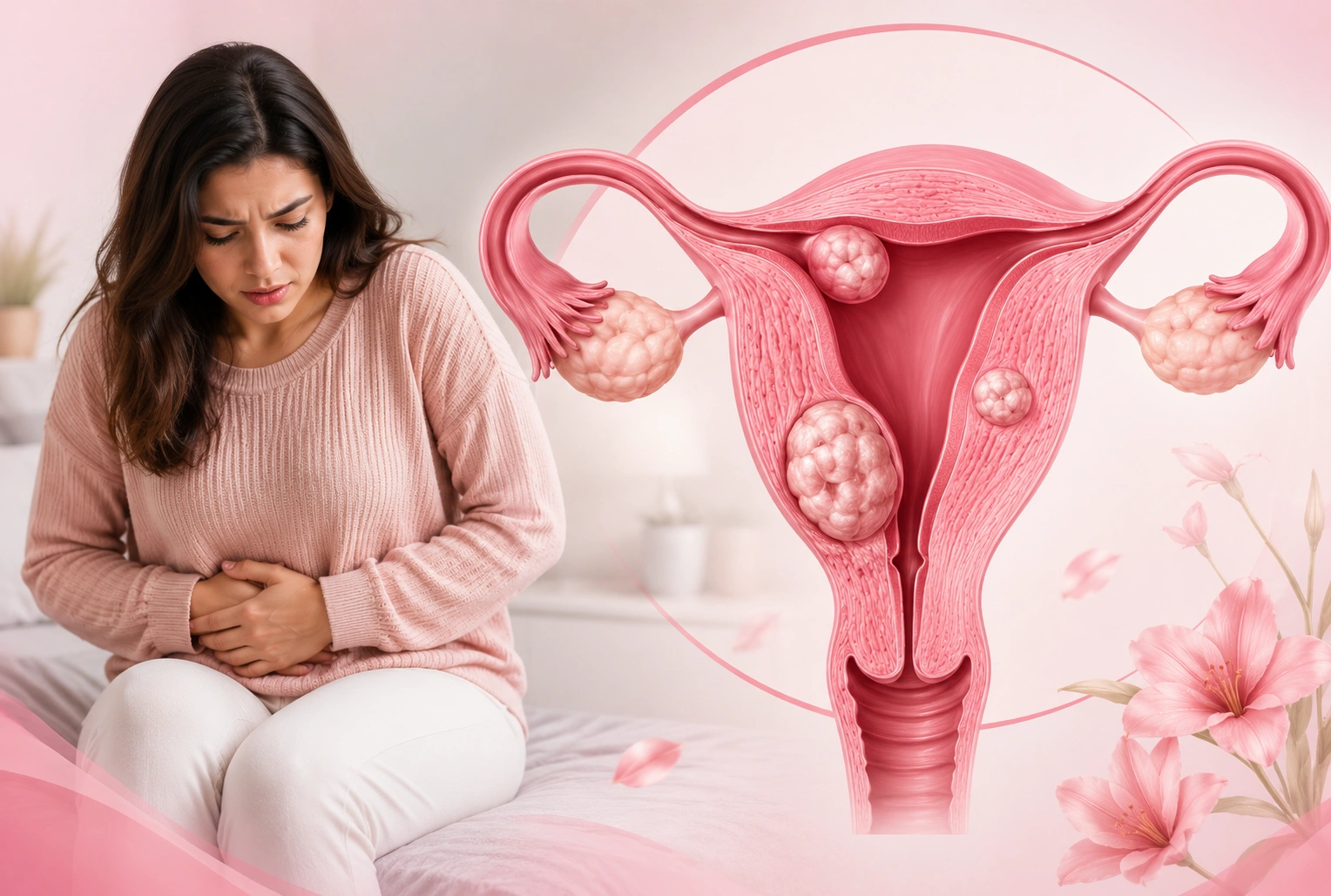
Fibroids are noncancerous growths that develop from the muscle tissue of the uterus.
They can be small or quite large, and some women have more than one. Their location also varies. They may grow within the uterine wall, toward the inside of the uterus, or on its outer surface. When fibroids become large or numerous, they can increase the size of the uterus.
They may also cause heavy or prolonged periods, pelvic pressure, lower abdominal or back pain, frequent urination, constipation, or fertility problems. Some women with fibroids have no symptoms at all.
Women who have a bulky uterus with fibroids may need treatment depending on their symptoms, fibroid size, location, and plans for future pregnancy.
2. Adenomyosis
Adenomyosis develops when tissue that normally lines the uterus grows into the muscular wall. The tissue continues to respond to menstrual hormones. Over time, this can make the uterine wall thicker and the uterus larger.
Heavy periods and painful cramps are common symptoms. Some women also experience ongoing pelvic pain, pain during sex, or a feeling of pressure in the lower abdomen. The symptoms can be mild in some women and much more disruptive in others.
3. Hormonal Changes
Hormones influence the uterus and the lining inside it. Changes in hormone levels can affect the growth of the endometrium and menstrual pattern. Irregular ovulation, for example, can sometimes cause the uterine lining to become too thick. This can happen during certain stages of life, including perimenopause, and may also occur with conditions such as PCOS.
Hormonal changes alone should not be assumed to be the cause of an enlarged uterus. Proper evaluation is needed.
4. Changes in the Uterine Lining
The endometrium is the tissue that lines the inside of the uterus. Sometimes it becomes thicker than expected. This can be related to hormonal changes and may cause abnormal bleeding.
Endometrial hyperplasia is one condition involving an unusually thick uterine lining. Abnormal bleeding, including periods that are heavier or longer than usual, can be a sign that further evaluation is needed.
5. Pregnancy and Postpartum Changes
The uterus naturally grows during pregnancy. After childbirth, it gradually contracts and returns toward its usual size. The process does not happen instantly.
If the uterus remains enlarged or symptoms continue after pregnancy, a doctor can determine whether the changes are part of normal recovery or need further investigation.
6. Perimenopause and Menopause
Hormonal changes around perimenopause can affect menstrual bleeding and the uterine lining. An enlarged uterus during this stage does not automatically indicate a serious condition. However, new or unusual bleeding should not be ignored.
This is particularly important after menopause, when any vaginal bleeding should be discussed with a healthcare professional.
What Are the Symptoms of a Bulky Uterus?
A bulky uterus does not always cause noticeable symptoms. When symptoms occur, they are often related to the condition responsible for the enlargement rather than the size of the uterus alone.
Possible bulky uterus symptoms include:
- Heavy menstrual bleeding
- Periods lasting longer than usual
- Painful periods or strong cramps
- Pelvic pain or pressure
- Lower back pain
- Frequent urination
- Difficulty emptying the bladder
- Constipation or difficult bowel movements
- Pain during sex
- Abdominal enlargement
- Tiredness caused by heavy blood loss
- Difficulty becoming pregnant
Fibroids, for example, can cause heavy periods, pelvic pressure, urinary symptoms, constipation, pain, and sometimes fertility problems. Adenomyosis can cause heavy or prolonged periods, severe cramping, pelvic pain, and a larger uterus.
Not every woman will experience the same combination of symptoms.
Is a Bulky Uterus Dangerous?
A bulky uterus by itself does not tell you whether the condition is dangerous. The underlying cause is what matters.
A woman may have an enlarged uterus with few or no symptoms. In another case, the enlargement may be related to fibroids or adenomyosis that causes heavy bleeding and significant pain.
Heavy menstrual bleeding can also lead to iron-deficiency anemia when blood loss continues over time.
So, an enlarged uterus should not automatically be treated as an emergency, but it should not be ignored either. If you have persistent pain, very heavy periods, unusual bleeding, or fertility concerns, a gynecologist can investigate the reason.
How Is a Bulky Uterus Diagnosed?
The diagnosis usually starts with your symptoms and medical history. Your doctor may ask about your menstrual cycle, bleeding pattern, pain, previous pregnancies, fertility concerns, and other health conditions.
Pelvic Examination
A pelvic examination may help a gynecologist notice that the uterus feels larger than expected. An examination alone usually cannot identify the exact cause, so imaging or other tests may be needed.
Ultrasound
Ultrasound is commonly used to examine the uterus and pelvic organs. It can show the size and shape of the uterus and may identify fibroids or other structural changes. It can also provide information about the uterine lining.
Transvaginal Ultrasound
A transvaginal ultrasound gives a closer view of the uterus and surrounding pelvic structures. It can provide useful information when a doctor is checking for fibroids, adenomyosis, or changes involving the uterine lining.
MRI
An MRI can provide more detailed images when the doctor needs additional information. It may be useful for assessing the uterus and fibroids in greater detail, particularly when the findings from an ultrasound are not enough.
Hysteroscopy
Hysteroscopy involves passing a thin instrument through the vagina and cervix so the doctor can see inside the uterine cavity. It may be used when the doctor needs to investigate problems affecting the inside of the uterus.
The tests recommended depend on your symptoms and the findings from the initial examination.
Bulky Uterus Treatment Options
There is no single bulky uterus treatment that works for every woman. Treatment depends on the cause, symptoms, age, overall health, and whether you want to become pregnant in the future.
If the enlarged uterus is not causing problems, your doctor may recommend monitoring instead of immediate treatment. When symptoms are affecting your daily life, treatment may be appropriate.
Medical Treatment
Medication may help control some symptoms. Depending on the cause, doctors may use hormonal medicines or other medications to reduce heavy menstrual bleeding and painful periods.
Nonsteroidal anti-inflammatory drugs can help with menstrual cramps and may also reduce menstrual blood loss in some women. Tranexamic acid is another medication used for heavy menstrual bleeding.
Certain hormone-based medicines can also be used to manage symptoms related to fibroids. Some medicines can temporarily reduce fibroid size, although the effect may not continue after the medication is stopped.
The right medicine depends on the patient's medical history and the reason for the symptoms.
Lifestyle Support
Healthy habits can support your general health while the underlying condition is being treated. Eating a balanced diet, staying physically active, getting enough sleep, and drinking enough water are sensible parts of overall care.
If heavy periods have caused iron deficiency or anemia, your doctor may recommend iron testing and treatment.
Lifestyle changes should not be considered a replacement for medical treatment when there is significant bleeding, pain, or another underlying condition.
Myomectomy
A myomectomy removes fibroids while keeping the uterus in place. It can be considered when fibroids are causing symptoms and preserving the uterus is important. The method used depends on the number, size, and location of the fibroids.
For some women, preserving the uterus is especially important because they want to maintain the possibility of future pregnancy.
Endometrial Ablation
Endometrial ablation destroys or removes the uterine lining to reduce heavy menstrual bleeding. It is not suitable for everyone. Pregnancy after ablation is unlikely but can still occur and can carry serious risks, so women considering this procedure need to discuss contraception and future pregnancy plans with their doctor.
Uterine Artery Embolization
Uterine artery embolization, or UAE, is one treatment option for some women with fibroids. During the procedure, small particles are placed into blood vessels supplying the fibroids. This reduces their blood supply and can cause the fibroids to shrink.
Whether UAE is appropriate depends on the individual situation and treatment goals.
Hysterectomy
A hysterectomy is surgery to remove the uterus. It may be considered when symptoms are severe, other treatments have not worked, or another treatment is not suitable.
After the uterus is removed, pregnancy is no longer possible. This makes future fertility an important part of the discussion before surgery.
Bulky Uterus Treatment Cost in India
The cost can vary considerably from one patient to another. It depends on the underlying condition, treatment method, hospital, city, doctor's fees, tests, length of hospital stay, and any additional care required.
| Treatment or Test | Approximate Cost (USD) | Approximate Cost (₹) |
|---|---|---|
| Medical treatment | $36 to $180 | ₹3,000 to ₹15,000 |
| Diagnostic ultrasound | $18 to $60 | ₹1,500 to ₹5,000 |
| Myomectomy | $720 to $1,800 | ₹60,000 to ₹1,50,000 |
| Endometrial ablation | $600 to $1,200 | ₹50,000 to ₹1,00,000 |
| Hysterectomy | $960 to $2,400 | ₹80,000 to ₹2,00,000 |
These are broad estimates, not fixed prices.
Itemized Expense Breakdown (Surgical Treatment)
For a clearer picture of what a surgical procedure like myomectomy or hysterectomy typically involves, the total cost is usually made up of several separate charges rather than one flat fee.
| Expense Head | Approximate Cost (USD) | Approximate Cost (₹) |
|---|---|---|
| Surgeon's fee | $180 to $480 | ₹15,000 to ₹40,000 |
| Anesthetist's fee | $60 to $145 | ₹5,000 to ₹12,000 |
| OT (operation theatre) charges | $120 to $360 | ₹10,000 to ₹30,000 |
| ICU or post-op monitoring | $60 to $300 per day | ₹5,000 to ₹25,000 per day |
| Ward or room charges | $18 to $95 per day | ₹1,500 to ₹8,000 per day |
| Pre-surgery tests and imaging | $36 to $120 | ₹3,000 to ₹10,000 |
| Medicines and consumables | $60 to $180 | ₹5,000 to ₹15,000 |
| Follow-up consultations | $6 to $18 per visit | ₹500 to ₹1,500 per visit |
A complex fibroid case may cost more than a straightforward procedure. Hospital facilities, city, and the surgical approach can also affect the final amount.
Before treatment, ask the hospital for an estimate that includes consultation, tests, procedure or surgery, hospital stay, medicines, and follow-up where applicable.
Can a Bulky Uterus Affect Fertility?
Having a bulky uterus does not automatically mean that you cannot become pregnant. The effect on fertility depends mainly on the underlying cause and whether it changes the uterine cavity or affects other parts of the reproductive system.
Fibroids can sometimes affect fertility, although many women with fibroids become pregnant. The size and location of the fibroid are important when doctors assess whether it may be contributing to fertility problems, according to the American College of Obstetricians and Gynecologists (ACOG).
Adenomyosis may also be associated with fertility concerns in some women.
If you are trying to conceive and have been told that your uterus is enlarged, discuss the finding with a gynecologist rather than assuming that pregnancy will not be possible.
Can a Bulky Uterus Affect Periods?
Yes, depending on the underlying cause.
Fibroids and adenomyosis can both be associated with heavy or prolonged menstrual bleeding, a pattern ACOG also recognizes as a common effect of both conditions. Changes in ovulation and the uterine lining can also contribute to abnormal bleeding.
Pay attention to changes from your usual cycle. Bleeding that lasts more than seven days, very heavy flow, or bleeding that interferes with normal activities deserves medical attention.
Living With a Bulky Uterus
Some women may only need regular monitoring. If your doctor recommends observation, keep track of your periods and note any changes in bleeding, pain, pressure, or other symptoms.
Take prescribed medicines as directed and attend follow-up appointments.
Avoid starting hormonal medicines or other treatments without medical advice. The right approach depends on the reason your uterus is enlarged.
If heavy periods have affected your energy levels, ask your doctor whether you should be checked for anemia or iron deficiency.
When Should You See a Doctor?
Make an appointment with a gynecologist if you have:
- Very heavy periods
- Periods that last longer than usual
- Persistent pelvic pain
- Increasing abdominal pressure or swelling
- Pain during sex
- Frequent urination with other pelvic symptoms
- Difficulty becoming pregnant
- Unusual bleeding between periods
- Any bleeding after menopause
Heavy bleeding can cause anemia and may be a sign of an underlying condition that needs treatment.
If bleeding is extremely heavy and you feel faint, weak, short of breath, or otherwise unwell, seek urgent medical attention.
Can a Bulky Uterus Return to Normal Size?
That depends on the reason for the enlargement.
The uterus naturally grows during pregnancy and gradually becomes smaller after childbirth.
Fibroids may shrink in some circumstances, including around menopause, while treatments can reduce the size or symptoms of certain fibroids. Adenomyosis can also change over time, particularly around and after menopause.
There is no single home treatment that will make every enlarged uterus return to a specific size. The underlying cause needs to be identified first.
Is Treatment Always Necessary?
No.
If the enlargement is not causing symptoms and the underlying condition does not require immediate treatment, a doctor may recommend monitoring.
Treatment becomes more likely when symptoms are severe or persistent, when heavy bleeding causes anemia, when pain affects daily activities, or when fertility is a concern.
For fibroids, for example, ACOG notes that treatment is often considered when symptoms are affecting quality of life or when there are concerns about fertility or rapid growth.
The decision should be based on your individual situation rather than the ultrasound wording alone.
What Should You Ask Your Doctor?
If a scan has shown a bulky uterus, it is reasonable to ask:
- Why is my uterus enlarged?
- Is there evidence of fibroids or adenomyosis?
- Is my uterine lining normal?
- Do I need any additional tests?
- Could this affect my fertility?
- Do I need treatment now or only monitoring?
- What are the benefits and risks of each treatment?
- Will treatment affect future pregnancy?
- What should I expect during recovery?
Having clear answers can make the next step much easier.
Conclusion
A bulky uterus means the uterus is larger than expected, but it does not tell you the reason by itself.
Fibroids, adenomyosis, hormonal changes, pregnancy, and changes in the uterine lining can all be associated with uterine enlargement. Some women have no symptoms, while others experience heavy periods, pelvic pain, pressure, or fertility concerns.
Treatment depends on the cause.
If you have been told that you have a bulky uterus, the next step is to discuss the finding with a gynecologist. A proper evaluation can identify the reason for the enlargement and help determine whether you need monitoring, medication, a procedure, or surgery.
How HealthRoop Supports You
A diagnosis like a bulky uterus usually raises a second set of questions once the medical side is clear: which hospital, which gynecologist, what it will cost, and how the trip to India actually comes together.
HealthRoop handles that side for patients coming from abroad, starting with a free review of existing reports and scans so the case gets matched to the right gynecologist and hospital.
Support typically covers:
- Free medical report and scan review
- Hospital and specialist matching based on the case
- Transparent cost estimate in USD and INR
- Second opinion, if needed
- Medical visa assistance, including FRRO or visa extension support
- Travel and accommodation planning, plus currency exchange and local SIM help
- Airport pickup on arrival
- Interpreter support during consultations
- Help with documentation and insurance paperwork
- A dedicated case manager from first review through discharge
- Telemedicine follow-up and 24x7 emergency support after treatment
Anyone weighing treatment for a bulky uterus in India can reach out to HealthRoop and start with a report review before booking anything. Learn more at healthroop.com.
Frequently Asked Questions
Answers to what patients ask us most about a bulky uterus.
A bulky uterus means the uterus is larger than expected. It is a finding rather than a specific disease, so doctors need to identify what is causing the enlargement.
Fibroids and adenomyosis are common causes. Pregnancy, hormonal changes, and some conditions affecting the uterine lining can also be associated with an enlarged uterus.
Some women have no symptoms. Others may experience heavy periods, painful cramps, pelvic pressure, lower back pain, frequent urination, constipation, or fertility problems.
Not necessarily. The level of concern depends on the underlying cause and whether there are symptoms or complications such as significant bleeding or anemia.
It can contribute to fertility problems in some cases, particularly when conditions such as certain fibroids affect the uterine cavity. However, an enlarged uterus does not automatically mean infertility.
Treatment depends on the cause. Options may include monitoring, medication, procedures such as uterine artery embolization, myomectomy, or hysterectomy in selected cases.
Sometimes the uterus can become smaller when the cause changes or is treated. The outcome depends on what caused the enlargement in the first place.
You should arrange a medical evaluation for persistent pelvic pain, unusually heavy or prolonged periods, unusual bleeding, fertility concerns, or other symptoms that are new or getting worse.
No. A bulky uterus is just a description of size. Fibroids are one possible cause of that enlargement, along with adenomyosis, hormonal changes, and pregnancy-related changes.
Not always. Many women are managed with monitoring or medication alone. Surgery is usually considered when symptoms are severe, other treatments haven't worked, or there are specific fertility or health concerns.
